A garage door opener rarely fails all at once. More often, performance slips in small ways that are easy to ignore at first. The remote works from one side of the driveway but not the other. The motor sounds strained on hot afternoons. The door hesitates, stops short, or leaves the household guessing whether it will close properly this time. That gradual decline is exactly why garage door opener repair deserves attention before a minor nuisance becomes a larger service job.
In day-to-day use, the opener system is doing several jobs at once. The motor has to deliver consistent movement. The remote has to communicate reliably. The door itself has to travel without added resistance. If any part of that chain falters, the whole system feels unreliable. People often describe it as a remote issue or a motor issue, but in practice those symptoms can overlap. A weak response at the remote can coincide with a motor that is already under stress. A motor that seems to be failing may be working harder because the rest of the door system needs service.
That distinction matters, especially when someone is trying to fix garage door problems quickly. The opener is only one part of a larger assembly, and good repair work starts by treating the symptoms seriously without guessing too early.
What “poor performance” usually looks like in real homes
Remote and motor problems do not always announce themselves with a complete shutdown. More often, they show up as inconsistent behavior. That inconsistency is what frustrates homeowners most, because the system appears to work just well enough to delay proper repair.
A typical service conversation starts with a simple complaint: the garage door not closing properly. Sometimes the user presses the remote once and nothing happens, then presses again and the door responds. Sometimes the motor starts the cycle but the movement does not finish smoothly. In other cases, the door closes one day and stops midway the next. People naturally focus on the remote because it is the part in their hand, yet the actual fault may involve the opener motor, wear elsewhere in the system, or conditions affecting the door hardware over time.
In coastal and humid areas, that last point deserves more weight than it usually gets. Salt air, heat, and humidity can affect garage-door hardware and increase maintenance needs. That does not automatically mean every slow or noisy opener needs major work, but it does mean environmental wear should be part of the repair conversation. A motor or remote problem may be real, while the surrounding hardware is also aging under local conditions.
Why remote issues should not be dismissed
Remote trouble is easy to underestimate because the door may still operate from the wall control or work intermittently. Intermittent operation, though, is exactly the sort of problem that should be checked early. If the system only responds sometimes, users start changing their habits around the fault. They move the car, stand in a different spot, press the button repeatedly, or leave the door partially open because it “usually works on the second try.” That is how an inconvenience turns into a reliability problem.
A good garage door opener repair approach does not treat the remote as an isolated accessory. Remotes are part of the opener system, and service providers commonly repair or replace opener-related components including remotes and motors. That is important because a weak-performing remote can be part of a broader opener issue rather than a stand-alone defect.
There is also a practical point here. Households rely on predictable operation. If a remote is unreliable, users often put more stress on the rest of the system through repeated attempts. Even when no immediate damage is visible, inconsistency is telling you something. It may be minor. It may point to a bigger repair need. Either way, waiting rarely improves it.
Motor performance tells a story if you pay attention
Motor performance tends to degrade in ways people can hear and feel before they can clearly describe the problem. The opener sounds more labored. The operation seems slower or less confident. The movement no longer feels smooth from start to finish. Even when the door still opens and closes, the character of the operation changes.
That change matters because motors are standard repair and replacement items in the garage-door trade. Service companies commonly handle motor repairs, motor replacement, and automation upgrades for existing doors. In practical terms, that means a struggling opener motor is not an unusual or niche problem. It is a familiar one, and an experienced technician will usually look at the system as a whole rather than blaming the motor by default.
That broader view is important. A motor can only perform well if the rest of the door system is cooperating. If the door is running with avoidable resistance, the opener may show symptoms first. Homeowners often describe the result as a need for garage door opener repair when the real answer includes both opener work and service elsewhere on the door.
This is one reason quick guesses can be expensive. Replacing a motor without understanding the operating conditions can leave the underlying cause untouched. On the other hand, assuming every opener issue is “just alignment” or “just the remote” can leave a worn motor in service longer than it should be. Good repair work depends on diagnosis, not optimism.
When the door is not closing properly
Few symptoms get attention faster than a garage door not closing properly. It is visible, inconvenient, and hard to ignore. It can also send people looking in the wrong direction. Because the remote is often the point of contact, users may assume the remote command is not getting through. Sometimes that is true. Sometimes the motor starts but the cycle is not completed consistently. Sometimes the issue points beyond the opener itself.
This is where judgment matters. The phrase garage door alignment comes up often in owner conversations because people can see when a door does not seem to travel squarely or finish neatly. But alignment should not become a casual do-it-yourself adjustment just because the symptom is obvious. If the door is not closing correctly, there is enough uncertainty in the cause that careful assessment is the safer path.
A door that fails to close properly can involve the opener, the door hardware, component wear, or a combination of those factors. The right response is not to keep cycling the system until it forces a full close. Repeated operation can hide the seriousness of a problem for a while, but it does not remove it.
Repair work is often about the system, not just the opener
One of the most useful shifts in mindset is to stop separating “door problems” from “opener problems” too rigidly. In the field, service providers commonly handle repairs, servicing, installations, and replacement of parts such as motors, remotes, and springs. That tells you something important about how the trade sees these jobs. The opener is not treated as a sealed, independent box. It is part of a working mechanism that has to be evaluated together.
This helps explain why a homeowner may ask for garage door opener repair and end up discussing a wider service plan. That is not automatically upselling. Sometimes it is the only honest way to address performance. If a remote is inconsistent, the motor is underperforming, and the hardware has seen years of heat, humidity, or salt exposure, a narrow fix may not restore reliable operation for long.
At the same time, not every problem calls for replacement. That is where experience shows. Good service balances immediate function with long-term value. A straightforward repair may be the right answer when the core system is still in decent condition. In other cases, motor replacement or an automation upgrade for an existing garage door makes more sense than repeated small fixes. The right choice depends on what the door is doing now, how often it is used, and what the rest of the system looks like.
The role of climate in performance decline
Environmental wear is easy to overlook because it develops slowly. In coastal regions and humid climates, garage-door hardware can be affected by salt air, heat, and moisture. Those conditions do not target only one part. They influence the whole operating environment of the door, including the components that support smooth motor performance.
That is one reason two homes with the same opener model can age very differently. A system exposed to harsher local conditions may need attention sooner, even if the garage door resource motor and remote are used in similar ways. This does not mean every repair should be blamed on climate. It means climate belongs in the diagnosis.
From a practical standpoint, owners often notice the effect as “it used to work better.” The remote may seem less dependable, or the motor may seem less effortless than it once did. Those are not precise technical descriptions, but they are useful. They point to a pattern of declining performance that deserves inspection rather than guesswork.
Springs change the safety conversation immediately
Any discussion of opener performance eventually runs into a critical truth: springs https://goldcoastgaragedoorrepair.com.au/southport-qld/ are standard repair items, but they are also dangerous. Garage door springs are under high tension, and adjusting or repairing them without the proper training and tools is unsafe. That is not a matter of being extra cautious. It is a clear safety line.
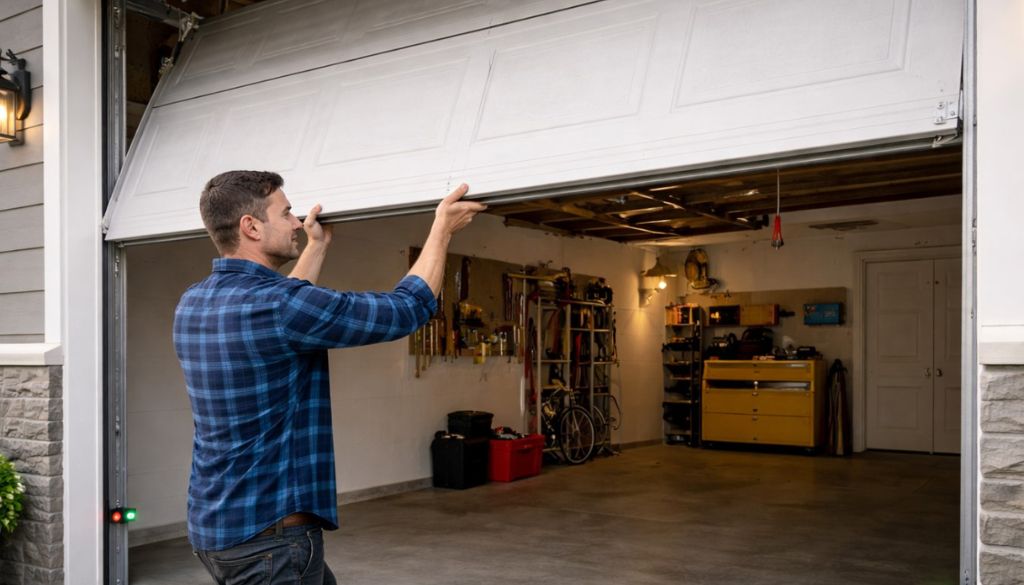
This matters for opener repair because spring problems can show up as opener symptoms. A motor may appear to struggle. The door may behave unpredictably. The user may think the fix belongs at the remote or the opener head. Yet if springs are involved, the risk level changes at once.
There is another detail that often surprises homeowners. When one spring breaks, both springs may need replacement because they usually wear in a similar pattern, and mismatched springs can create balance problems. That is a practical repair judgment, not a sales script. Replacing only the visibly failed spring can leave the system uneven and the door poorly balanced.
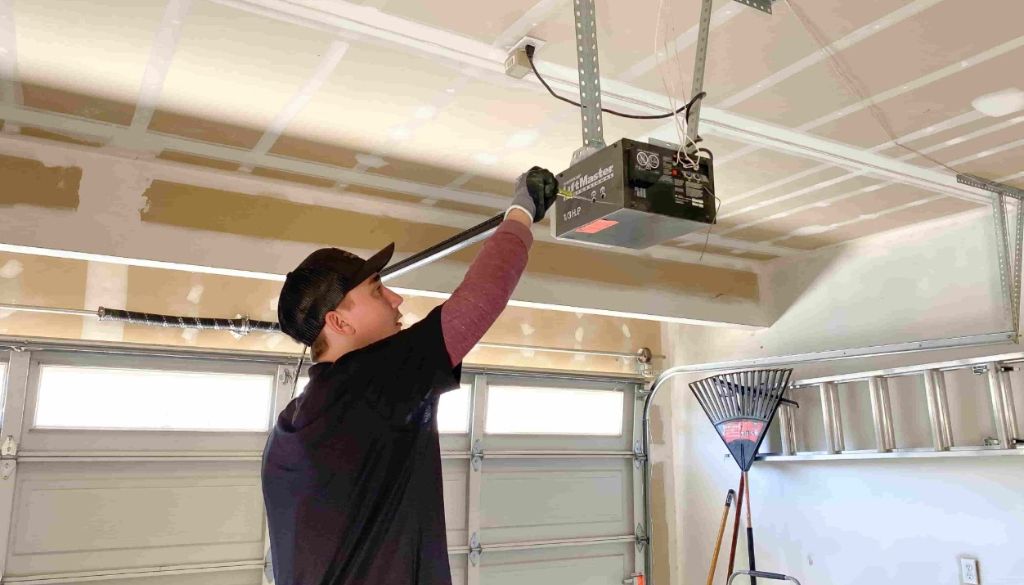
If a homeowner is trying to fix garage door issues alone, this is the point where restraint matters most. Some opener-related tasks may look approachable from the outside, but spring work should not be treated casually.
Signs that call for professional assessment
- The remote responds inconsistently or only some of the time. The motor sounds strained or the door movement feels less smooth than before. The garage door not closing properly becomes a recurring issue rather than a one-off event. The system shows combined symptoms, such as remote trouble and visible operating hesitation. There is any sign that spring replacement may be part of the repair.
Those signs do not all point to the same fix, but they do justify a proper inspection. The main value of professional assessment is not mystery knowledge. It is accurate separation of symptoms from causes. That saves time, repeat callouts, and avoidable part replacement.
Servicing is cheaper than guessing
Routine service rarely gets much attention because it lacks drama. Yet annual servicing is commonly recommended, around every 12 months, to help prevent breakdowns and extend the life of the door and motor. That advice is sensible because opener performance tends to fade before it fails. Servicing catches those changes early.
Owners often postpone maintenance when the door still works “well enough.” In my experience, that phrase usually means one of two things. Either the system has become inconvenient in small, tolerated ways, or the user has adapted to symptoms that would be obvious to a technician in minutes. A door that needs a second button press or closes less confidently than it used to is already asking for attention.
There is a practical difference between repair and service, but the two often overlap. A service visit may confirm that the opener motor is still sound and the system simply needs general attention. It may also show that a repair is due now and that delaying it risks a more disruptive failure later. What annual servicing does best is reduce surprises.
Repair, replacement, or upgrade
Not every underperforming opener should be repaired indefinitely. Motor replacement and automation upgrades are standard offerings for existing garage doors, and sometimes that path is more rational than repeated fixes. The trick is knowing when.
If the issue is isolated and the broader system remains in good working order, a targeted garage door opener repair may be enough. If the symptoms keep returning, or if the opener is only one part of a larger pattern of wear, replacement can be the more durable answer. The same logic applies to remotes. Replacing a remote can be sensible, but only after the wider system has been considered.
There is also a quality-of-use factor that people should not ignore. Reliability matters. An opener that works nine times out of ten is still a problem, especially when that tenth failure happens during heavy rain, late at night, or when the house is being left unattended. Repair decisions should account for that real-life cost, not just whether the door can still be made to move.
A sensible homeowner approach
Homeowners do not need to diagnose every component to make good decisions. What they do need is a clear view of symptoms and a willingness to act before those symptoms compound. If the remote is unreliable, note when it happens. If the motor feels different, treat that as useful information rather than background noise. If the garage door not closing properly becomes a pattern, stop hoping it will settle down on its own.
The goal is not to become a technician. The goal is to recognize that opener performance is a system issue with safety implications. That matters even more in environments where salt air, humidity, and heat increase maintenance demands over time.
A practical rule set looks like this:
- Treat intermittent remote or motor performance as an early warning, not a minor annoyance. Arrange regular servicing, about every 12 months, to reduce breakdowns and help extend door and motor life. Be cautious about assuming garage door alignment is the only issue when closing problems appear. Leave spring adjustment and spring replacement to trained professionals because of the tension and risk involved. Consider repair, replacement, or an automation upgrade based on the condition of the whole system, not one symptom.
That kind of measured response usually leads to better outcomes than reacting only when the opener stops completely.
Reliable operation comes from the whole setup working together
Garage door opener repair is rarely just about restoring button response. It is about recovering dependable movement from a system that may be showing wear in several places at once. Remotes, motors, springs, and hardware all influence the result. Local climate can speed up the need for maintenance. Delayed service can turn a manageable repair into a more complicated one.
When the signs are small, it is tempting to wait. But inconsistent remote response, a motor that sounds less comfortable, or a garage door not closing properly are all meaningful symptoms. They are the system’s way of saying performance is no longer where it should be. Acting at that stage gives you more options, safer repair decisions, and a better chance of fixing the problem before it disrupts daily use.