A garage door is easy to garage door maintenance services treat as a convenience feature until storm season puts it under real pressure. In severe weather, the garage door stops being just an entry point for cars and storage. It becomes part of the building envelope, and if it fails, wind can enter the home and increase damage to roofs and walls. That is why garage door tracks and the overall condition of the door matter so much when households start preparing for severe storms and cyclones.
In Queensland, official guidance is clear on two points that shape smart planning. First, storm preparation needs to happen before the season is on top of you. Second, once severe weather arrives, homeowners should only go outside after it is officially safe. Those two facts change how maintenance should be approached. Anything that affects the way a garage door closes, braces, or performs needs attention early, not when the sky has already turned.
Tracks do not get the same attention as the panel, the motor, or the remote. Yet in practice, they play a quiet but decisive role. If the door cannot travel cleanly, close fully, or sit properly within its frame, the whole system becomes less dependable. For storm prep, dependability matters more than appearance.
Why tracks deserve more attention before storm season
Garage door tracks guide the door through its opening and closing path. That sounds straightforward, but anyone who has spent time around service calls knows the track often tells the real story of how the door has been aging. A door can still operate while the tracks are dirty, slightly bent, or under strain, right up until the day it does not.
That matters because storm readiness is not only about whether a door opens. It is also about whether it closes properly, seats correctly, and works with any bracing system the home relies on. Queensland cyclone-preparation guidance specifically notes that a garage door should comply with AS/NZS 4505 and be correctly rated for wind pressure, or have a bracing system that can be installed before a cyclone. If tracks are in poor condition, even a rated door or a bracing plan can become harder to rely on in the moment you need it.
I have seen many homeowners focus on the opener first because it is the most visible convenience feature. They notice the remote range, the noise level, or the speed of travel. The track gets ignored unless the rollers start chattering or the door shudders. From a storm-prep standpoint, that is backwards. Smooth, accurate travel is the foundation. The opener is only as useful as the path it is trying to drive.
A practical way to think about it is this: storm preparation is really a game of reducing weak links. If the garage door is one of the largest moving parts on the property, then the tracks, the hardware, the frame, the springs, and the opener all need to support one another. One neglected component can compromise the whole assembly.
What homeowners can realistically check early
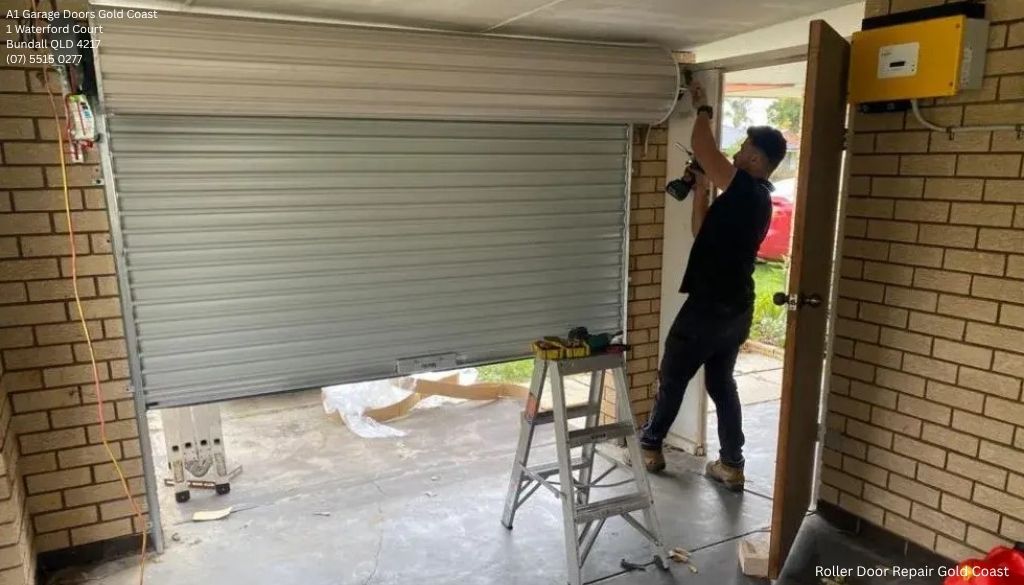
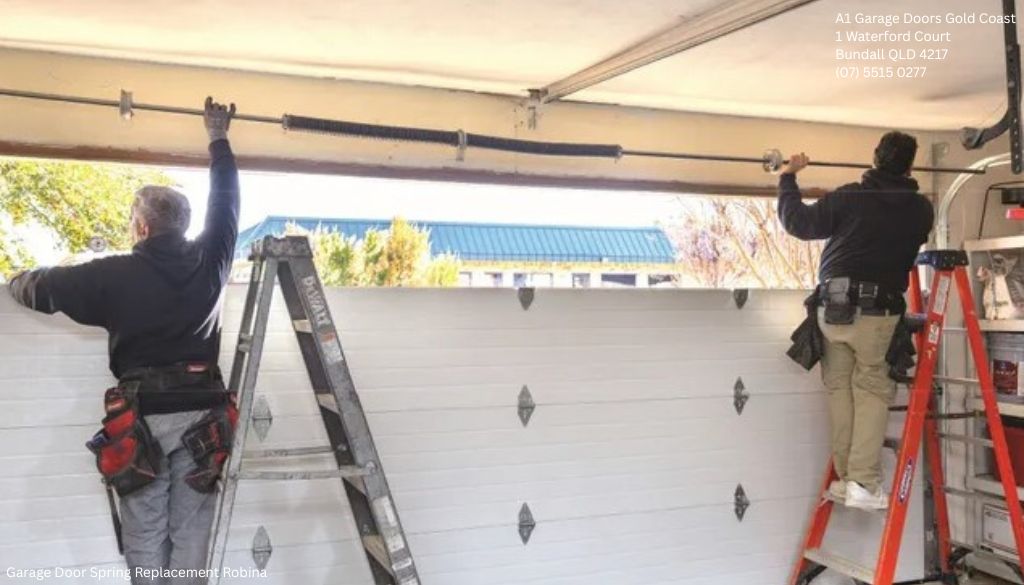
Not every part of a garage door is suitable for casual adjustment, and some components, especially garage door springs, can be hazardous. Springs are under significant tension, and they are not a place for guesswork. The same caution applies when a door is visibly misaligned or binding badly in the opening. Still, there is a meaningful difference between inspection and repair. A homeowner can do the first safely, then decide whether a qualified contractor should do the second.
Before storm season gets busy, it helps to look at the garage door as a system rather than a single panel. A careful early review should cover:
- whether the door opens and closes smoothly, without jerking, scraping, or stopping short whether the garage door tracks look clean, straight, and firmly attached whether the door appears to sit evenly when closed whether any bracing system for cyclone preparation is present, accessible, and practical to install before severe weather whether the garage door openers, remotes, and manual access method are all understood and working
That list is simple on purpose. It is not a substitute for technical service. It is a filter. You are looking for obvious signs that the door may not be ready to perform reliably when weather deteriorates.
A door that closes unevenly is worth attention even if it still operates. A track that looks distorted or loose should not be dismissed because the door is “mostly fine.” In day-to-day use, minor defects often stay hidden by the power of the opener. In stronger wind, under stress, or during urgent use before a storm, those same defects become more serious.
The connection between tracks, frame condition, and wind resistance
One of the more overlooked parts of storm readiness is the relationship between the moving door and the structure around it. Queensland housing guidance identifies replacing existing garage doors and frames with wind-rated versions as part of household resilience work, and non-compliant garage doors can be a cost-effective replacement target to improve cyclone resilience. That is a strong signal that the frame is not a side issue. It is part of the performance story.
Tracks do not float in isolation. They depend on secure attachment, proper position, and a stable supporting structure. If the frame or surrounding mounting points are compromised, the tracks may no longer guide the door the way they should. That can show up as rubbing, poor closure, extra strain on the opener, or a door that seems to have “a mind of its own” on humid or windy days.
This is where homeowners sometimes lose time and money by treating every symptom as an opener problem. A new motor will not correct a door system that is not sitting properly in the opening. Nor will a stronger opener make a door more storm-resilient if the underlying assembly is not appropriately rated or braced. In fact, forcing a troubled door with an opener can disguise conditions that should really trigger a broader conversation about garage door replacement.
The right question is not, “Can I get this door moving again?” The better question is, “Can this door close, hold, and perform as part of the house when severe weather is on the way?”
Maintenance is not the same as modification
A lot of sensible storm preparation has nothing to do with changing the design of the door. It starts with timely maintenance. Clear tracks, functional movement, and prompt attention to visible wear all help preserve the performance the door already has. But maintenance has limits, and those limits matter.
For example, cleaning away visible debris from the track area and making sure the doorway itself is not obstructed is common-sense upkeep. So is noticing when the door sounds different, travels less smoothly, or no longer closes with the same confidence. Those observations are valuable because they catch problems before a storm watch forces rushed decisions.
By contrast, altering the spring system, changing structural hardware without proper guidance, or assuming a standard door can simply be “made cyclone-proof” with ad hoc fixes is a different category entirely. Queensland guidance points households toward compliant wind-rated doors or approved bracing systems. That is a reminder that resilience is not about improvisation. It is about matching the door to the wind demands it may face.
This distinction becomes especially important with older doors. Age alone does not prove a door is non-compliant, but older assemblies often raise questions about rating, frame condition, and whether the opening has been upgraded in a meaningful way. If a homeowner cannot confirm that the door complies with AS/NZS 4505 or has an appropriate bracing system, the safest path is to investigate long before the next cyclone warning.
Where garage door springs and openers fit into storm prep
Tracks may guide the door, but they do not work alone. Garage door springs and garage door openers influence how the whole assembly behaves in daily use and in pre-storm preparation.
Springs are primarily a safety and balance issue from the homeowner’s perspective. If a door feels unusually heavy, moves unevenly, or behaves unpredictably, that is a warning sign worth taking seriously. The reason is practical. A poorly balanced door can place extra strain on tracks and openers, and it can become difficult to secure confidently before severe weather. Because springs are dangerous to adjust without training, this is an area where professional service is the right call.
Garage door openers matter for a different reason. Severe storm preparation often involves moving vehicles under shelter, securing the property, and making sure access points are closed before conditions worsen. Queensland advice to park vehicles under shelter if possible makes the garage a key part of that plan. If the opener is unreliable, noisy, or inconsistent, that inconvenience can quickly become a serious problem on a day when time is short and the weather is deteriorating.
There is also an electrical angle that people sometimes miss. Queensland agencies advise unplugging electrical items as part of storm preparation. For a garage, that raises a practical question about timing. You want the door closed and the car where it needs to be before disconnecting non-essential electrical equipment. That means the opener, remotes, and manual release should be understood ahead of time, not figured out in a rush while rain bands are approaching.
A common pattern in homes with attached garages is this: the household relies heavily on the opener every day, but almost no one has tested the manual operation recently. Then a storm-related outage occurs, and they discover the door is awkward to move or the release procedure is unfamiliar. That is not the time to learn. The better approach is to make sure everyone who may need to use the garage knows how access works before severe weather is forecast.
When repair stops making sense and replacement enters the picture
There comes a point when maintenance and minor repair no longer deliver the result a household actually needs. Storm preparation sharpens that decision because it puts resilience above short-term patching.
Garage door replacement should be part of the conversation when the issue is not just wear, but suitability. Queensland resilience guidance specifically points to replacing existing garage doors and frames with wind-rated versions as part of resilience work, and identifies non-compliant garage doors as a sensible target for improvement. That makes replacement more than a cosmetic upgrade. In the right situation, it is risk reduction.
Here are four situations where replacement deserves serious consideration:
- the existing door or frame is known to be non-compliant or cannot be verified as suitable for expected wind pressure the door depends on repeated repair to keep operating acceptably the opening lacks a practical, correct bracing solution for cyclone preparation the overall system condition suggests that patching one component at a time is no longer economical or dependable
Homeowners often ask whether replacement is worth it if the current door “still works.” In day-to-day life, that can sound like a fair question. In storm planning, it is often the wrong standard. A door that works under normal conditions may still be the weak point in a severe storm. If failure can allow wind into the house and increase damage elsewhere, then the threshold for action should be higher than ordinary convenience.
There is also a cost judgment here that deserves honesty. Not every older door requires immediate replacement, and not every new-looking door is properly rated. The goal is not to spend for the sake of spending. The goal is to identify whether the door contributes to household resilience or undermines it. Sometimes a qualified assessment gives the owner confidence to keep the current door and maintain it properly. Other times, it confirms that replacement is the more cost-effective choice because it addresses rating, frame integrity, and operational reliability in one step.
The attached garage: comfort and efficiency still matter
Storm preparation is the main issue, but it is not the only one. An attached garage affects daily comfort and energy performance too. Australian guidance on insulation and draught-proofing notes that draught stoppers at the base of doors can help reduce heat loss. In practical terms, that makes the garage door part of the home’s efficiency conversation, especially when the garage shares walls or access doors with conditioned living spaces.
This does not mean a draught stopper is a storm device, and it should not be treated as a substitute for wind rating, a compliant door, or bracing. But it does illustrate a useful principle: a garage door performs better when the small details are not ignored. A door that closes properly and seals consistently is usually easier to live with in ordinary weather and easier to trust in poor weather.
For many homeowners, that day-to-day comfort issue is what finally prompts action. They notice dust movement, temperature swings near the internal access door, or a door that no longer meets the floor evenly. Those observations are worth paying attention to because they often overlap with broader maintenance concerns. A gap or uneven close may be an efficiency annoyance in calm weather, but it can also be evidence that the system needs inspection before storm season.
Safe timing matters as much as the repair itself
One of the most important habits in storm prep is resisting late action. Once conditions are deteriorating, the window for safe outdoor work narrows fast. Queensland guidance is plain that people should only go outside after it is officially safe. That means the garage door should already be in order before alerts become urgent.
This is particularly relevant for doors that require a bracing system to be installed before a cyclone. If the braces are buried behind storage, if the door’s operation is stiff, or if the tracks are not allowing smooth closure, valuable time is lost exactly when the household needs a predictable routine. A good setup is one that can be made ready without improvisation.
The garage itself often becomes a staging area in storm prep. Cars are parked under shelter, loose outdoor items are brought inside, and access needs to remain clear. If the tracks are obstructed by clutter, if the opener is unreliable, or if the family has never practiced the sequence of closing and securing the door, the garage can quickly become a bottleneck. That is not a dramatic failure, but it is the sort of avoidable friction that turns a manageable preparation day into a rushed one.
Experienced contractors often notice the same pattern year after year. The homes that cope best are not necessarily the ones with the newest doors. They are the ones where the owners checked the system early, understood whether the door was rated or needed bracing, and addressed small operational issues before the weather forced the issue.
A practical standard for better door performance
For storm prep, “better performance” does not need to be defined by gadgets or cosmetic upgrades. It means the garage door can do its job reliably as part of the house. It travels properly on its tracks. It closes as intended. Its springs and opener are not masking deeper faults. Its rating or bracing arrangements are understood. If replacement is needed, the decision is made on resilience grounds, not delayed until after damage occurs.
That standard is professional, but it is also practical. Start early. Inspect what you can safely observe. Treat garage door tracks as a core part of the system, not an afterthought. Be cautious around garage door springs and any technical adjustments. Make sure garage door openers and manual access are familiar before storm season intensifies. If the existing assembly is non-compliant or questionable, weigh garage door replacement seriously, especially where wind-rated doors and frames can materially improve resilience.
A garage door has to perform in ordinary life hundreds of times a year. During a severe storm, it may need to perform once, but that one time carries far more weight. That is why maintenance, clear judgment, and early preparation matter so much.