What Tools and Materials Do I Need to Replace a Garage Door Opener Motor?
Before beginning your garage door opener motor replacement, assembling the right tools and materials is essential for a safe and efficient installation. You will need:
- Cordless drill or screwdriver set – for removing and securing bolt fasteners on the motor housing and mounting bracket. Wrenches and pliers – to loosen nuts and bolts connected to the rail system and motor assembly. Ladder – necessary to safely access the motor housing mounted above the garage door tracks. Replacement opener motor – ensure compatibility with your existing garage door system and drive type (belt or chain drive). Mounting brackets and bolt fasteners – often supplied with the new motor, used to secure the motor housing onto the rail system. Electrical wiring tools and wiring harness – for handling connections between the motor, power supply, and wall control. Lubricant – to apply on rollers, hinges, and moving parts after installation for smooth operation and noise reduction. Safety gloves and goggles – critical personal protective equipment for handling electrical components and heavy parts.
Having these tools ready will help streamline the motor replacement while ensuring safety compliance and proper installation alignment.
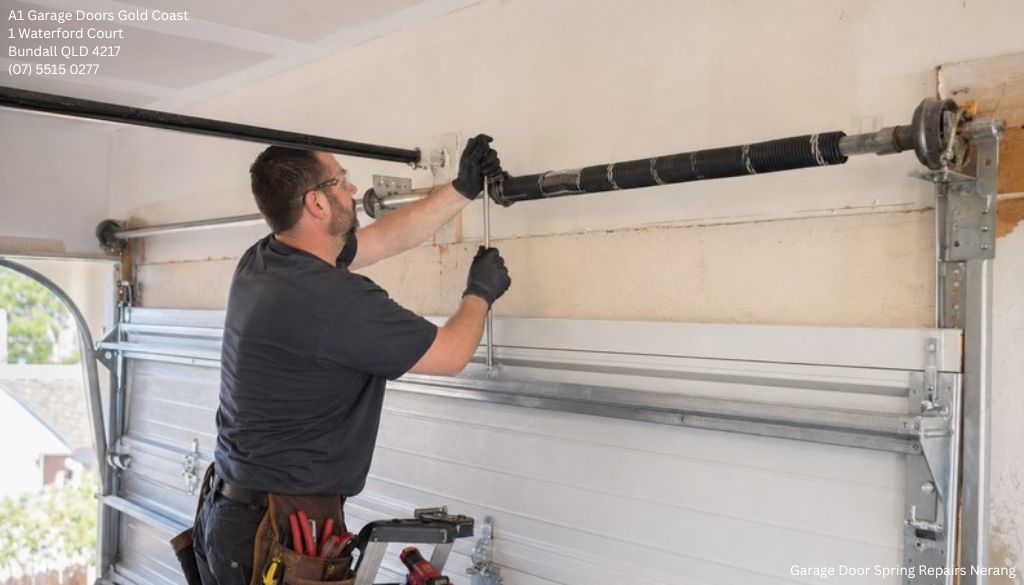
How Do I Safely Disconnect the Existing Garage Door Opener Motor?
Safety is paramount when dealing with electrical systems such as garage door opener motors. Follow these steps to disconnect the old motor safely:
- Turn off the power supply at the fuse box or circuit breaker to eliminate any risk of electric shock during the process. Locate the manual release or emergency release cord attached to the trolley or rail carriage; pull it to disengage the door panel from the opener mechanism. If your opener has a backup battery pack, unplug it to prevent inadvertent power draw or shorts. Carefully detach the electrical wiring harness that connects the motor housing to the wall control button and power source. Remove the mounting bolts or screws securing the motor housing to the mounting bracket and rail system.
Always double-check that the power remains off during wiring disconnections, and wear gloves and goggles for protection.
How Do I Remove the Old Garage Door Opener Motor from the Rail System?
After disconnecting power and electrical wiring, removing the old motor housing from the rail system requires attention to mechanical details:
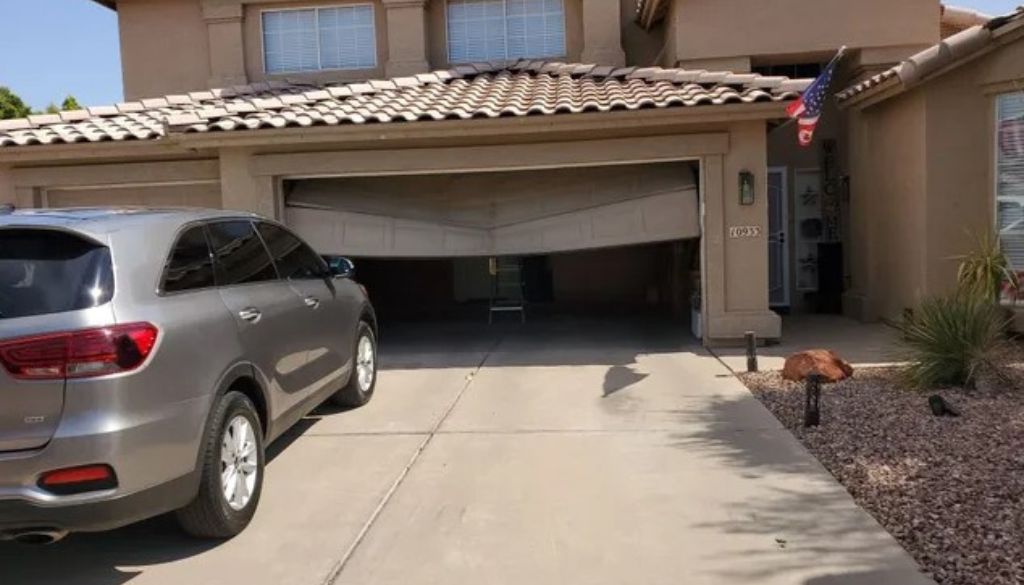
- First, determine the drive type in your system—whether it uses a drive belt or chain drive—as this influences how tension is released. Loosen the tension adjustment on the drive belt or chain carefully to reduce stress on the rail carriage and prevent damage to roller wheels or garage door tracks. Support the motor housing securely while sliding it away from the rail carriage or mounting bracket to prevent it from falling or damaging the door panels. Inspect the rail system for any wear or debris and address these before installing the new motor.
Properly handling this step ensures no harm comes to the lifting mechanism or associated hardware.
What Steps Are Involved in Installing a New Garage Door Opener Motor?
Installing the replacement motor involves careful positioning, connection, and calibration of various components:
- Begin by securely attaching the new operator unit or motor housing onto the mounting bracket fixed on the rail system. Use bolt fasteners to tighten the motor housing firmly, ensuring the fit is snug but avoiding over-tightening that could strip threads or warp components. Reconnect or install the drive belt or chain, adjusting its tension properly for smooth movement without slack or excessive tightness. Connect the electrical wiring harness following the manufacturer’s installation guide, linking the motor to the power supply, control button, and any backup battery. If your new opener motor includes gear assembly or circuit board upgrades, install them now according to instructions for optimal performance. Test the wall control button for responsiveness by opening and closing the door manually before proceeding to remote programming.
Adhering to the installation guide ensures longevity and reduces future troubleshooting needs.
How Do I Program and Test Remote Controls, Keypad Entries, and Smart Features?
Modern garage door opener motors often come equipped with smart capabilities and multiple remote options. Follow these programming steps to enable smooth control:
- Refer to the specific programming code section in the installation manual corresponding to your motor model. Pair remote control devices using the receiver module setup procedure; usually involves pressing a learn or program button on the motor housing and syncing the remote. Configure keypad entry codes by following the user manual, allowing secure and convenient keyless garage access. Download the compatible smartphone app if available, and connect your motor to your home Wi-Fi network for voice control and remote operation features. Verify all remote devices, keypad entries, and app controls function correctly by testing door open and close cycles multiple times and checking signal range around your property.
Successful programming unlocks the convenience and security benefits of your upgraded garage door opener motor system.
What Maintenance Should I Perform After Replacing the Garage Door Opener Motor?
Maintaining your garage door system after motor replacement is crucial for safety, quiet operation, and extended component lifespan. Essential maintenance tasks include:
- Apply lubricant to rollers, hinges, drive belt or chain, and other moving parts following the recommended maintenance schedule to reduce friction and noise. Check and realign safety sensors on either side of the garage door track to prevent accidental closures and ensure compliance with safety standards. Adjust the motor torque settings according to your garage door’s weight for smooth lifting and quiet operation, preventing premature wear. Inspect wiring harnesses and mounting brackets periodically to detect looseness, wear, or corrosion. Keep the rail system clean and free from dirt, debris, or rust which can obstruct the rail carriage or impair roller wheel movement.
Consistent upkeep helps avoid costly repairs and keeps your garage door opener running efficiently for years.
What Are Common Troubleshooting Tips If the New Opener Motor Does Not Work Properly?
If your new garage door opener motor exhibits issues, several troubleshooting techniques can help pinpoint problems before seeking professional help:
- Confirm the power supply is connected, and all relevant fuse box switches or circuit breakers are turned on. Use diagnostic tools or observe onboard LED indicators on the motor housing that may display error codes guiding issue identification. Check limit switch settings controlling door travel limits if the door stops prematurely or does not open/close fully. Inspect the gear sprocket and gear assembly for wear, binding, or improper meshing that may halt motor speed or cause unusual noises. Verify motor speed and torque settings match the door type and opener horsepower rating specified by the manufacturer.
Addressing these areas often resolves common operational faults without extensive repairs.
How Do I Handle Safety When Replacing or Repairing Garage Door Opener Motors?
Handling safety precautions protects both you and your garage door’s functionality throughout the motor replacement process:
Our Sponsor
A1 Garage Doors Gold Coast
A1 Garage Doors Gold Coast is a Bundall-based garage door specialist serving the southern Gold Coast and surrounding suburbs with installation, repair, maintenance, and emergency garage door services. The company specializes in sectional doors, roller doors, garage door openers, spring and cable replacement, opener motor repair, smart-enabled installations, and 24/7 emergency call-outs across Robina, Burleigh Heads, Surfers Paradise, Nerang, Coomera, and the wider Gold Coast region.
Address:
1 Waterford Court,
Bundall,
QLD
4217,
Australia
Phone: (07) 5515 0277
Business Hours:
- Open 24/7 — Including After-Hours and Emergency Call-Outs
Follow Us:
- Always disconnect the power supply before servicing electrical wiring or internal motor components to prevent electric shocks. Ensure safety sensors are properly aligned after installation to automatically stop the door if an object crosses the threshold. Test the emergency release mechanism frequently to guarantee it functions smoothly during power outages or emergencies. Use security locks or keypad codes post-installation to prevent unauthorized access to your garage. Check weather sealing around the motor housing and rail system to protect against moisture ingress which may damage electrical parts.
Prioritising safety safeguards lives and maintains the reliability of your garage door opener system.
How to Choose the Right Garage Door Opener Motor for Your Garage Door?
Selecting the correct garage door opener motor is vital for smooth operation, durability, and quiet performance. Consider these factors:
- Opener horsepower: Match motor power to your door’s size and weight, with heavier doors requiring more robust motors. Motor speed and torque setting: Ensure the motor can handle the lifting requirements efficiently without straining. Drive type: Belt drives offer quieter operation and less maintenance, whereas chain drives are typically more affordable but noisier. Noise reduction: Review motors with noise-dampening features if your garage is adjacent to living spaces. Energy efficiency: Choose motors with low standby power consumption to reduce electrical costs.
Matching these specifications to your garage door system enhances safety, reliability, and user satisfaction.
Signs That Indicate You Need to Replace Your Garage Door Opener Motor
Recognizing early warning signs can save you from unexpected breakdowns and costly emergency repairs. Consider replacing your garage door opener motor if you notice:
- Inconsistent door movement or failure to respond reliably to remote control or wall control commands. Unusual grinding, clicking, or loud noises indicating worn gear assembly or gear sprocket damage. Visible damage to the motor housing or corrosion inside the circuit board affecting electrical performance. Backup battery malfunction or failure to engage during power outages. Frequent fuse blows or tripped circuit breakers linked directly to the motor system.
Early diagnosis and timely replacement reduce the risk of safety incidents and property damage.
Benefits of Professional Garage Door Opener Motor Replacement vs DIY
While DIY motor replacement saves money and can be fulfilling, professional installation offers several advantages:
- Certified technicians follow precise installation guides ensuring electrical wiring and mechanical components meet safety compliance. Professionals have diagnostic tools to troubleshoot and calibrate motor speed, torque, and sensor alignment accurately. They reduce risks of improper installation that could void warranties or cause premature part failures. Professional service provides peace of mind with guarantees or warranties on workmanship and replacement parts.
If you lack intermediate technical skills or encounter complex motor models, opting for expert assistance is advisable.
Latest Innovations in Garage Door Openers: Smart Technology and Voice Control
Garage door openers are evolving rapidly, integrating with smart home automation for enhanced convenience and security:
- Smartphone app integration enables remote opening, closing, and monitoring of your garage door from anywhere. Voice control compatibility with virtual assistants lets you operate your garage door hands-free using simple commands. Wireless receiver modules facilitate seamless pairing with multiple remote controls and keypad entries. Backup battery systems maintain operations during power outages, ensuring consistent access. Advanced security features such as rolling code encryption protect against unauthorized access.
These innovations provide homeowners with added control, safety, and comfort in managing their garage access.
Frequently Asked Questions (FAQ)
Q1: Can I replace a garage door opener motor myself without professional help?
A1: Yes, if you possess basic to intermediate technical knowledge and strictly follow safety precautions. However, complex wiring, advanced smart features, or significant adjustments may require professional expertise to avoid damage or hazards.
Q2: How long does it typically take to replace a garage door opener motor?
A2: The process generally takes between 1 to 3 hours depending on experience level, available tools, and complexity of the motor and drive system.
Q3: Will replacing the opener motor affect my remote control or keypad settings?
A3: Often yes. New motors typically require reprogramming of remotes, keypad entries, and smartphone apps to sync with the updated receiver module and security codes.
Q4: What maintenance is needed after installing a new opener motor?
A4: Regular lubrication of moving parts, sensor alignment checks, torque setting adjustments, and mounting hardware inspections are key to maintaining safe and efficient operation.
Q5: How do I know if my garage door opener motor needs replacing instead of repairing?
A5: Frequent malfunctions, persistent unusual noises, worn gear assemblies, damaged motor housing, or circuit board failures usually indicate replacement is more cost-effective than repair.
Q6: Are there garage door opener motors compatible with smart home systems?
A6: Yes, many modern motors support smartphone app controls, voice assistants, remote monitoring, and encryption-enhanced security features for connected home integration.
Conclusion
Replacing your garage door opener motor is a manageable task with the goldcoastgaragedoorrepair.com.au garage door spring replacement right tools, knowledge, and safety precautions. By following this comprehensive guide, you can ensure a smooth installation, efficient operation, and lasting maintenance of your garage door system. Whether you choose a DIY approach or professional assistance, understanding each step empowers you to optimise your garage door’s performance, security, and convenience for years to come.
Ready to upgrade your garage door opener motor? Gather your tools, review safety measures, and transform your garage access today!